Scope
Separate square footage, rooms, removal, trim, stairs, and prep.
Vinyl plank stairs are slower than open floor areas because each tread, riser, nosing, cut, and transition has to be handled separately. Use this page to understand the stair labor allowance before a pro confirms the final details.
Vinyl Flooring Cost for Stairs should be estimated by separating labor, size, rooms, removal, trim, stairs, prep, and material. Square-foot price alone does not show the full scope.
Vinyl plank stairs are slower than open floor areas because each tread, riser, nosing, cut, and transition has to be handled separately. Use this page to understand the stair labor allowance before a pro confirms the final details.
Separate square footage, rooms, removal, trim, stairs, and prep.
Local labor and practical jobsite rules can change the range.
A walkthrough validates measurements, subfloor, transitions, and access.
These cost pages are most useful when project size is connected to the real work that changes a quote.
Square footage, closets, doors, halls, and cuts explain why two same-size projects can price differently.
Carpet, tile, adhesive, moisture, leveling, and cleanup should be separated before comparing prices.
Trim, transitions, stairs, furniture, and access can change time, material, and labor.
| Item | Why it matters |
|---|---|
| Square footage | Starting point, not the final price. |
| Removal | Should be separated from installation work. |
| Prep | Can change after the subfloor is reviewed. |
| Material | Compare boxes, delivery, and waste separately. |
Start with the full guide when you want to compare labor, square footage, carpet replacement, material planning, vinyl vs laminate, and local pricing before using the calculator.
Open common square-foot scenarios, then adjust removal, trim, stairs, and prep in the calculator.
Use these guides for situations that need more context than one square-foot number.
Review product specs before comparing material price, delivery, waste, and labor.
Use these comparisons when deciding between vinyl, laminate, engineered hardwood, or carpet.
Each room has different cuts, transitions, moisture, furniture, and prep.
Projects move up or down based on removal, subfloor prep, trim work, stairs, and the layout of the home.
Carpet, tile, laminate, adhesive, and disposal can change the scope.
Flatness, moisture, and subfloor stability can change the work.
Baseboards, molding, transitions, and stairs explain many quote differences.
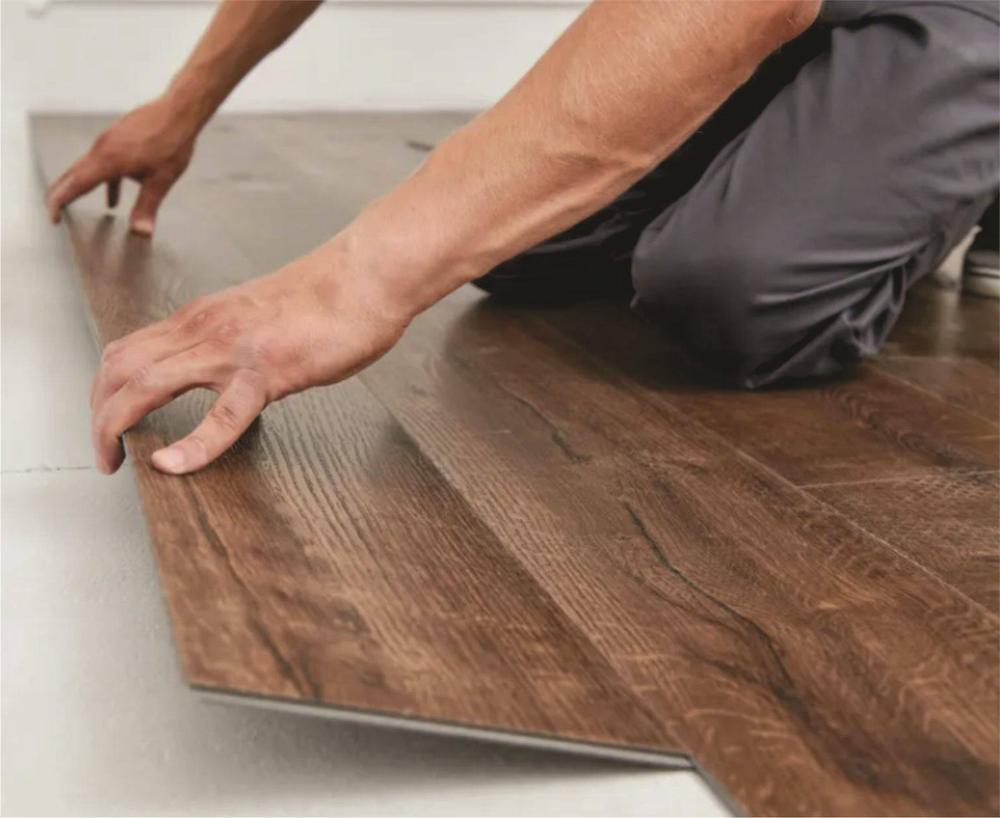
The calculator starts with square footage and labor pricing, then layers in removal, trim, stairs, and prep.
Read the pricing methodology for the default scope, typical prep allowance, and excluded material, tax, waste, major leveling, moisture mitigation, and repair items.
These are the labor categories this estimate can represent before a final installer quote.
| Labor item | How the calculator treats it |
|---|---|
| Install labor | Square footage multiplied by the local labor range. |
| Removal | Carpet, laminate, tile, or old flooring are reviewed as separate scope. |
| Trim | Baseboards, shoe molding, and quarter round can change the finish work. |
| Stairs | Treads, risers, nosing, and cuts take more time. |
| Prep | Leveling, transitions, moisture, and cleanup affect the surface. |
Use these examples to organize project size before comparing material and labor.
| Project | Typical size | Note |
|---|---|---|
| Bedroom or office | 250 ft² | Small project with limited cuts and trim. |
| Main living area | 650 ft² | Living, dining, kitchen, or open area with transitions. |
| Whole-home project | 1,500 ft² | Multiple rooms, halls, furniture, and staged planning. |
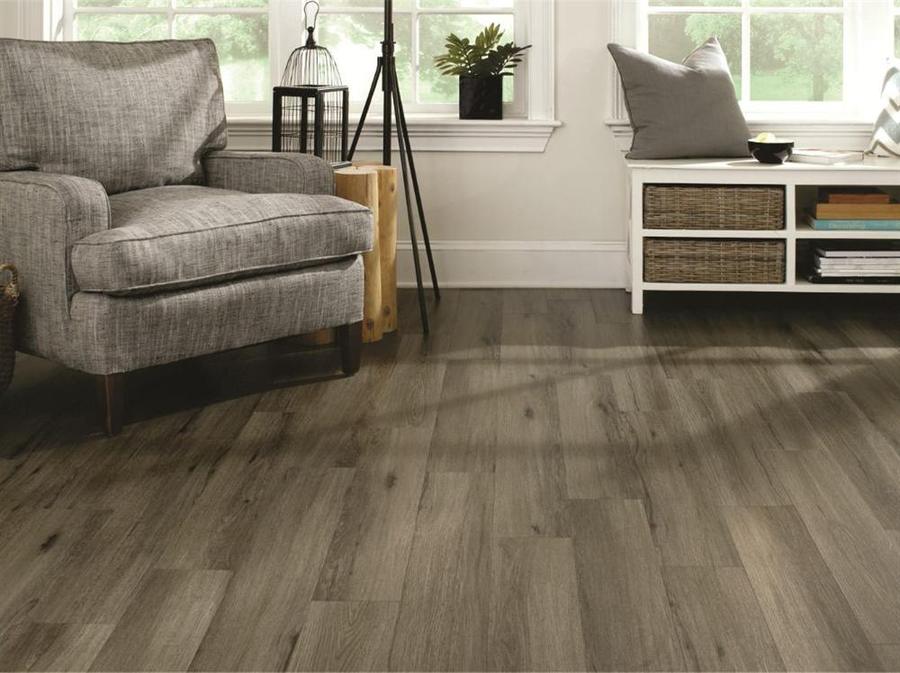
The estimate keeps labor clear first. Product, delivery, waste, and retailer costs belong in a different part of the quote.
Wear layer, thickness, attached pad, and retailer pricing change product cost.
Closets, hallways, islands, and angled walls add cuts.
An installer confirms real conditions before final pricing.
The number is intentionally labor-focused. These items belong in the final quote.
These pages use market-level pricing so shoppers can compare installation labor in nearby areas.
Stairs require individual cuts, nosing, riser work, adhesive or fastening details, and more finish time.
No. The product needs compatible stair nosing or a stair-safe installation method.
Yes. Risers, treads, landings, and trim details should all be included in the stair scope.
Many stair installations require a bonded approach, but the correct method depends on the product and nosing system.
Use it as a planning range to separate labor, size, removal, trim, stairs, prep, and material before comparing installers.
Rooms, doorways, closets, transitions, furniture, stairs, moisture, leveling, removal, and access can change the final quote.
Not first. Compare labor and scope, then add product, boxes, delivery, and waste separately.
It starts with square footage and labor, then lets you review removal, trim, stairs, prep, and location.
No. The estimate focuses on labor first so product, delivery, waste, and retailer pricing can be compared separately.