Installation labor
Installer labor changes with floor type, square footage, room count, layout, local labor rates, and crew availability.
How much flooring installation costs depends on the installed square footage, floor type, labor scope, removal, prep, trim, stairs, material, waste, and local pricing. Start with the installation work first, then add product and store costs separately.
Flooring installation cost depends on floor type, installed square footage, room layout, removal, prep, trim, stairs, material, waste, access, and local labor. Compare the installation scope first, then add product, delivery, tax, waste, and retailer costs separately.
The best answer starts with the installed square footage and the real scope of work. A flooring quote should show labor, removal, prep, finish work, material, waste, delivery, tax, and local pricing as separate pieces before you compare the final number.
| Cost piece | What to compare |
|---|---|
| Installed square footage | Measure rooms, closets, halls, stairs, and any areas being removed or replaced before comparing prices. |
| Installation labor | Keep crew labor separate from product so a low material price does not hide a high labor scope. |
| Removal and prep | Old flooring, disposal, adhesive, staples, leveling, moisture, cleaning, and subfloor repair can change the total. |
| Finish work | Baseboards, quarter round, transitions, doors, stairs, appliance moves, furniture, and access often explain bid differences. |
| Material and retailer costs | Product, waste, delivery, underlayment, accessories, tax, and store fees belong in their own line items. |
A single room, a main level, and a whole-house flooring project can use the same square-foot base but still price differently because the work around the edges changes.
| Project size | What usually changes the quote |
|---|---|
| One room | Check minimum labor, furniture, closets, door cuts, transitions, and whether removal is included. |
| Main level | Compare open areas, kitchens, halls, transitions, appliance handling, stairs, and staged access. |
| Whole house | Ask how many phases, furniture moves, trim details, old-floor removal, disposal, and final walkthroughs are included. |
Most flooring quotes make more sense when labor, removal, prep, finish work, material, waste, and local pricing are kept in separate buckets.
Installer labor changes with floor type, square footage, room count, layout, local labor rates, and crew availability.
Old carpet, pad, tile, glued flooring, staples, adhesive, and debris handling should be separated from the new installation.
Subfloor flatness, moisture, transitions, baseboards, quarter round, stairs, doors, and furniture can move the quote.
Product price, box coverage, waste factor, delivery, underlayment, accessories, and tax belong in a separate material bucket.
The same square footage can price differently once the flooring type, prep requirements, and installation method are known.
| Floor type | Why it changes cost |
|---|---|
| Vinyl plank / LVP | Often efficient in open rooms, but removal, stairs, trim, transitions, and subfloor prep still change the labor side. |
| Laminate | Usually compared close to vinyl, but underlayment, flatness, moisture limits, transitions, and product specs matter. |
| Hardwood / engineered hardwood | Installation method, acclimation, moisture, fastening, trim, stairs, and product construction can raise labor. |
| Carpet | Pad, tack strip, seams, furniture, stairs, and disposal change the installed cost beyond the carpet price. |
| Tile | Demo, backer board, layout, mortar, grout, cuts, waterproofing, and floor flatness can make tile more labor intensive. |
This page answers the broad cost question. The floor-type pages give cleaner numbers once the project is narrowed to vinyl, hardwood, laminate, or another surface.
A low square-foot number is not always the lowest project price. Compare the same scope before deciding which bid is actually cheaper.
Make sure every quote uses the same rooms, closets, halls, stairs, and measured install area.
Ask whether removal, disposal, prep, trim, transitions, furniture, stairs, and access are included.
Product price, waste, delivery, accessories, and retailer charges should not hide the installation labor number.
Labor rates, installer availability, disposal rules, parking, access, home age, and climate can change the opening range by city.
Projects move up or down based on removal, subfloor prep, trim work, stairs, and the layout of the home.
Carpet, tile, laminate, adhesive, and disposal can change the scope.
Flatness, moisture, and subfloor stability can change the work.
Baseboards, molding, transitions, and stairs explain many quote differences.
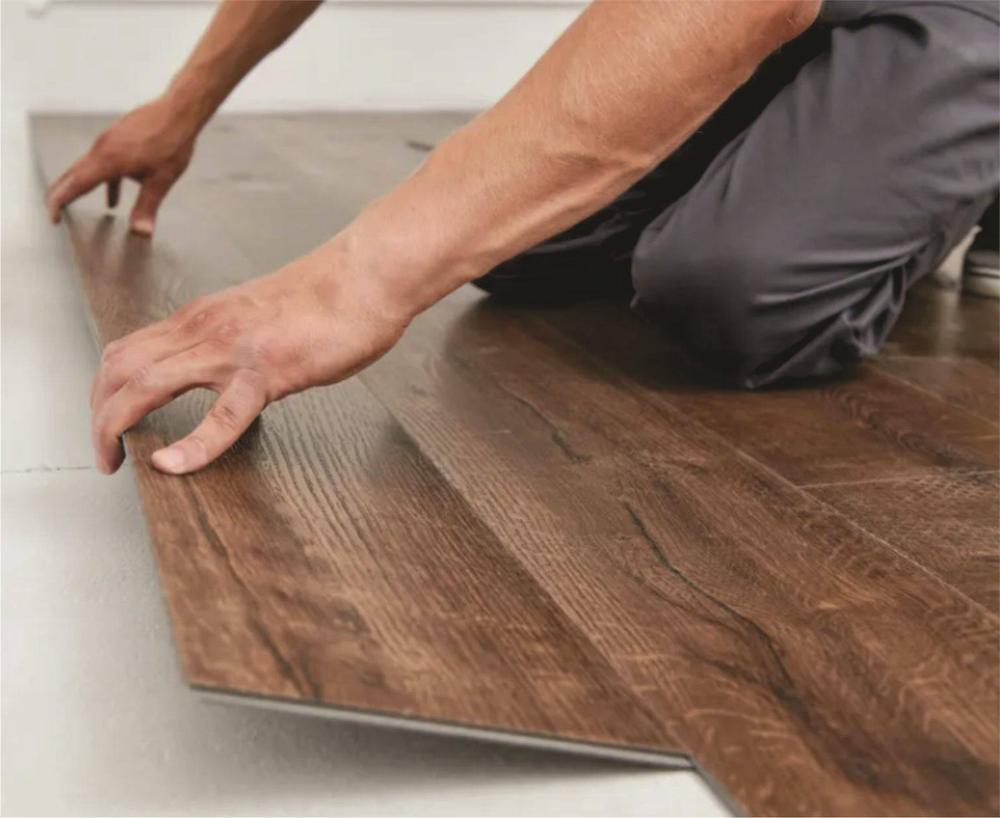
The calculator starts with square footage and labor pricing, then layers in removal, trim, stairs, and prep.
Read the pricing methodology for the default scope, typical prep allowance, and excluded material, tax, waste, major leveling, moisture mitigation, and repair items.
These are the labor categories this estimate can represent before a final installer quote.
| Labor item | How the calculator treats it |
|---|---|
| Install labor | Square footage multiplied by the local labor range. |
| Removal | Carpet, laminate, tile, or old flooring are reviewed as separate scope. |
| Trim | Baseboards, shoe molding, and quarter round can change the finish work. |
| Stairs | Treads, risers, nosing, and cuts take more time. |
| Prep | Leveling, transitions, moisture, and cleanup affect the surface. |
Use these examples to organize project size before comparing material and labor.
| Project | Typical size | Note |
|---|---|---|
| Bedroom or office | 250 ft² | Small project with limited cuts and trim. |
| Main living area | 650 ft² | Living, dining, kitchen, or open area with transitions. |
| Whole-home project | 1,500 ft² | Multiple rooms, halls, furniture, and staged planning. |
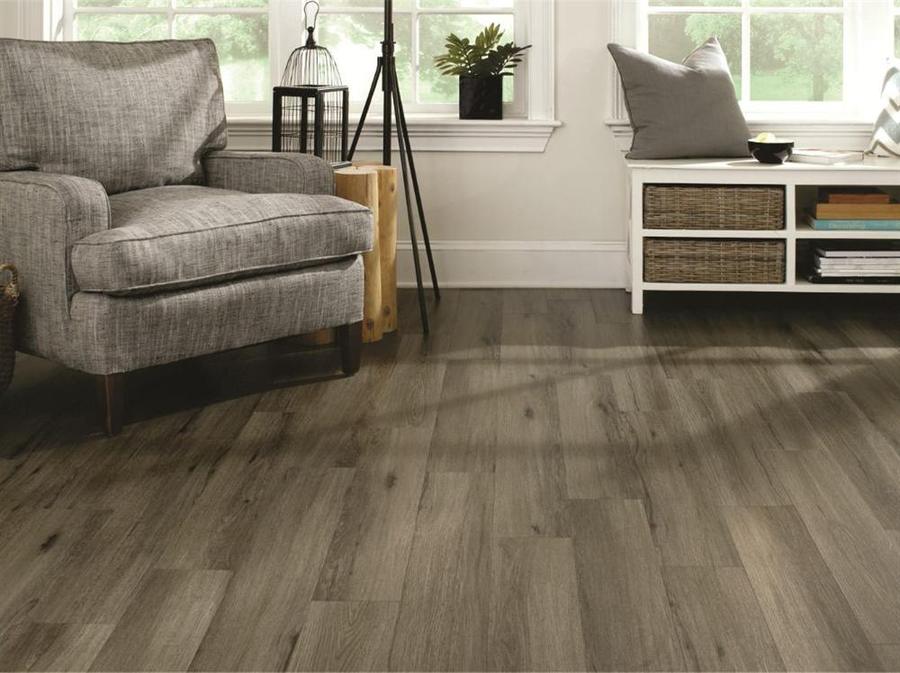
The estimate keeps labor clear first. Product, delivery, waste, and retailer costs belong in a different part of the quote.
Wear layer, thickness, attached pad, and retailer pricing change product cost.
Closets, hallways, islands, and angled walls add cuts.
An installer confirms real conditions before final pricing.
The number is intentionally labor-focused. These items belong in the final quote.
Flooring installation cost depends on floor type, square footage, room count, removal, prep, trim, stairs, material, waste, and local labor. Start with labor and scope, then add product, delivery, tax, waste, and store costs separately.
A whole-house flooring project usually needs the same basic estimate, but with more rooms, doors, halls, closets, furniture, transitions, removal, trim, stairs, and project staging. Compare the same installed square footage and scope before judging bids.
Tile, stairs, hardwood fastening methods, glued material, heavy removal, and uneven subfloors can raise labor. Simple open vinyl plank or laminate areas are usually easier to estimate.
Not first. Compare installation labor and project scope before adding product price, delivery, waste, underlayment, tax, and retailer fees.
Local labor rates, installer availability, disposal rules, parking, home age, humidity, and access can move the installed range up or down.
It starts with square footage and labor, then lets you review removal, trim, stairs, prep, and location.
No. The estimate focuses on labor first so product, delivery, waste, and retailer pricing can be compared separately.
Local labor, installer availability, access, disposal, climate, and prep can change the opening range.
Yes, when carpet, pad, tack strips, staples, or disposal are part of the project.