Precios locales
Calculadora de piso vinílico en St. Louis, MO
Use una página local para mantener el estimado conectado a la mano de obra, el clima, la remoción y las reglas prácticas de St. Louis, MO.
Gratis
Precios locales
Reseñas de 5 estrellas
1 minestimado rápido
St. Louis, MOmano de obra local
300+pros locales
1,300+estimados iniciados
Respuesta rapida
Esta pagina estima mano de obra de instalacion de piso vinilico en St. Louis, MO y mantiene separado el material, la entrega y el desperdicio para que pueda comparar cotizaciones con el mismo alcance.
- Use pies cuadrados y habitaciones como base.
- Agregue remocion, molduras, escaleras y preparacion cuando apliquen.
- Confirme subsuelo, humedad, acceso y condiciones reales con el instalador.
Datos locales de piso vinilico para St. Louis, MO
San Luis es una ciudad en Missouri, dentro del área metropolitana de San Luis, MO-IL. Para proyectos de pisos, eso es importante porque las casas en San Luis tienen un promedio de unos 87 años de antiguedad, alrededor del 43.4% de las viviendas son unifamiliares, y el valor medio de las viviendas es de unos $197,500, lo que puede afectar el alcance del proyecto, la elección de materiales y los trabajos de preparación.
Local vinyl flooring cost guides for St. Louis, MO
Use these local money pages when you want the same market context applied to specific flooring cost questions.
Guia de costo de piso vinilico en St. Louis, MOCompare mano de obra, material, remocion, desperdicio, preparacion y factores locales del proyecto.Costo de instalacion de piso vinilico en St. Louis, MOEnfoquese en mano de obra local, remocion, molduras, escaleras y preparacion.Costo de reemplazar alfombra con piso vinilico en St. Louis, MOPlanifique remocion de alfombra, limpieza, desecho, preparacion del subsuelo e instalacion de vinilico.Costo de piso vinilico vs laminado en St. Louis, MOCompare precio de material, instalacion, humedad, durabilidad y condiciones locales de vivienda.Costo de instalar 1,000 pies cuadrados de piso vinilico en St. Louis, MOPlanifique un proyecto grande con habitaciones, pasillos, closets, molduras, remocion y preparacion local.Costo de quitar loseta e instalar piso vinilico en St. Louis, MOSepare demolicion de loseta, desecho, preparacion del subsuelo, transiciones e instalacion nueva.
Clima y planificacion de instalacion en St. Louis
El clima local importa para almacenamiento, aclimatacion, control de humedad y programacion antes de instalar piso vinilico.
Actual
temperatura en vivo
66.6F
maxima anual promedio
157.5
dias de lluvia por ano
73%
humedad mensual maxima
30.0
dias sobre 90F
52.20 in
precipitacion anual
| Mes | Max. | Min. | Dias lluvia | Humedad |
|---|---|---|---|---|
| January | 40.3F | 24.7F | 11.3 | 70% |
| February | 47.0F | 27.9F | 10.8 | 67% |
| March | 57.5F | 38.4F | 14.9 | 66% |
| April | 66.0F | 46.0F | 14.2 | 66% |
| May | 75.8F | 57.4F | 17.6 | 71% |
| June | 86.4F | 67.1F | 13.6 | 67% |
| July | 88.3F | 71.1F | 16.8 | 73% |
| August | 85.5F | 68.9F | 15.2 | 73% |
| September | 81.6F | 63.3F | 11.5 | 69% |
| October | 69.2F | 51.1F | 11.3 | 68% |
| November | 54.9F | 38.0F | 10.0 | 69% |
| December | 46.3F | 30.1F | 10.3 | 71% |
Vivienda local y alcance del proyecto
Estos datos ayudan a explicar por que la preparacion, acceso, transiciones y humedad pueden cambiar un presupuesto local.
Nota de barrio
En vecindarios historicos como Soulard, muchas casas cuentan con cimientos de pilotes y vigas, lo que requiere una inspeccion cuidadosa del contrapiso para garantizar la estabilidad y ventilacion antes de instalar pisos nuevos. La edad promedio de las viviendas, de 87 años, significa que nivelar el contrapiso es un requisito frecuente para asegurar una superficie plana para los materiales de piso modernos.
Dato local
Las casas en St. Louis tienen un promedio de unos 87 años de antiguedad.
Dato local
El tamaño estimado de las viviendas ocupadas por propietarios en St. Louis es de aproximadamente 1,611 pies cuadrados.
Dato local
La combinacion de dormitorios más comun en St. Louis es la de viviendas de dos dormitorios.
Dato local
Aproximadamente el 43.4% de las viviendas en St. Louis son casas unifamiliares independientes.
Dato local
Aproximadamente el 39.2% de las viviendas en St. Louis son multifamiliares.
Dato local
Los valores mediaños de las viviendas en St. Louis son de aproximadamente $197,500.
Dato local
Las casas en St. Louis tienen un promedio de 87 años de antiguedad, lo que significa que la preparación del contrapiso, la nivelacion y los trabajos de transicion pueden afectar el presupuesto de instalación de pisos con más frecuencia que en viviendas más nuevas.
Dato local
El tamaño promedio de una vivienda ocupada por sus propietarios en St. Louis es de aproximadamente 1,611 pies cuadrados.
Permisos, desecho y reglas practicas en St. Louis, MO
Estos detalles no reemplazan una visita, pero ayudan a explicar por que dos proyectos con los mismos pies cuadrados pueden necesitar planificacion distinta.
Permisos
El reemplazo estándar de pisos en St. Louis, MO, generalmente no requiere un permiso, pero estos pueden ser necesarios si el proyecto incluye trabajos estructurales, eléctricos o de plomería.
Retiro y desecho
Los residentes deben atar la alfombra y el acolchado en rollos que no superen los cuatro pies de largo y pesen menos de 60 libras para la recoleccion semanal estándar. Los escombros de madera, loseta y vinilo requieren una solicitud de recoleccion de articulos voluminosos a traves de la ciudad o el traslado a una estacion de transferencia municipal designada.
Temporada y clima
St. Louis tiene meses húmedos que alcanzan aproximadamente un 73% de humedad, los maximos del verano promedian cerca de 87°F y hay unos 30 días al año por encima de los 90°F. Por ello, la primavera y el otoño suelen ser las temporadas más faciles para la instalación de pisos, mientras que los periodos más calurosos del verano requieren mayor atención a la aclimatación, el almacenamiento y las condiciones del lugar de trabajo.
Qué afecta el costo de piso vinílico
Los proyectos suben o bajan por remoción, preparación del subsuelo, molduras, escaleras y diseño de la casa.
Remoción
Alfombra, azulejo, laminado, adhesivo y desecho cambian el alcance.
Preparación
Planitud, humedad y estabilidad del subsuelo pueden cambiar el trabajo.
Acabado
Zócalos, molduras, transiciones y escaleras explican muchas diferencias.
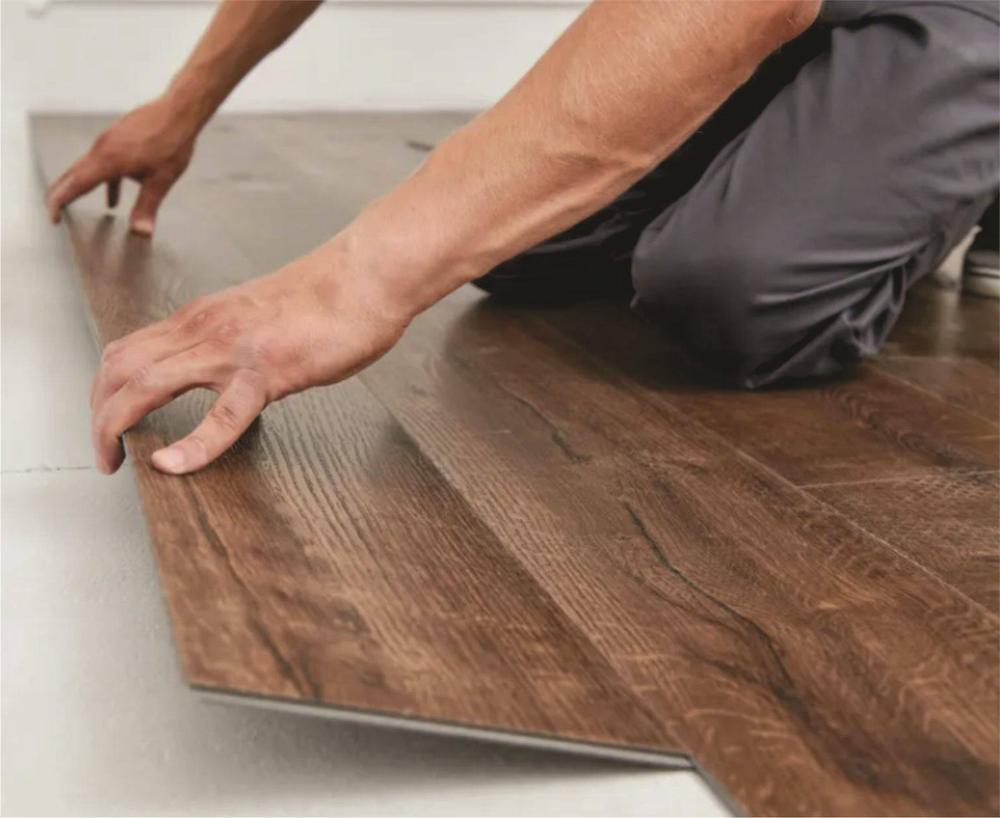
Cómo funciona esta calculadora de mano de obra
La calculadora empieza con pies cuadrados y precios de mano de obra, luego agrega remoción, molduras, escaleras y preparación.
Lea la metodologia de precios para el alcance por defecto, la reserva tipica de preparacion y los elementos excluidos como material, impuestos, desperdicio, nivelacion mayor, humedad y reparaciones.
1. Pies cuadradosIndique el area donde se instalara piso vinilico o LVP.
2. Precio localUse una ubicacion para conectar el calculo con un mercado cercano.
3. AlcanceRemocion, molduras, escaleras y preparacion ajustan el estimado.
4. DireccionLa direccion continua el flujo con detalles especificos de propiedad.
Alcance de mano de obra para piso vinílico
Estas son las categorías de mano de obra que el estimado puede representar antes de una cotización final.
| Elemento | Cómo se trata |
|---|---|
| Instalación | Pies cuadrados multiplicados por el rango de mano de obra local. |
| Remoción | Alfombra, laminado, azulejo o piso viejo se revisan como alcance separado. |
| Molduras | Zócalos, zapata y cuarto bocel pueden cambiar el acabado. |
| Escaleras | Huellas, contrahuellas, nariz de escalón y cortes toman más tiempo. |
| Preparación | Nivelación, transiciones, humedad y limpieza afectan la superficie. |
Ejemplos de tamaño de proyecto
Use estos ejemplos para ordenar el tamaño antes de comparar material y mano de obra.
| Proyecto | Tamaño típico | Nota |
|---|---|---|
| Dormitorio u oficina | 250 ft² | Proyecto pequeño con cortes y molduras limitadas. |
| Área principal | 650 ft² | Sala, comedor, cocina o área abierta con transiciones. |
| Proyecto de toda la casa | 1,500 ft² | Varias habitaciones, pasillos, muebles y planificación por etapas. |
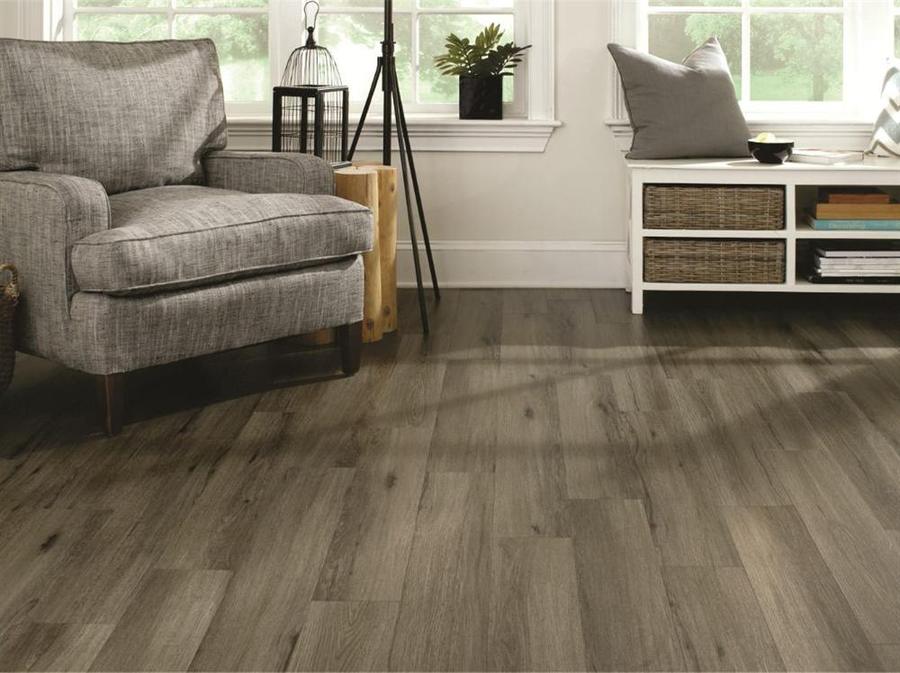
Mano de obra vs. costo total de piso vinílico
El estimado mantiene clara la mano de obra primero. Producto, entrega, desperdicio y tienda pertenecen a otra parte de la cotización.
Material
Capa de uso, grosor, base adjunta y tienda cambian el costo del producto.
Diseño
Clósets, pasillos, islas y paredes en ángulo agregan cortes.
Confirmación
Un instalador confirma condiciones reales antes de cerrar el precio.
Qué no incluye este estimado
El número es intencionalmente de mano de obra. Estos elementos pertenecen a la cotización final.
- Material, base, entrega, desperdicio o cargos de tienda.
- Mover muebles salvo que un pro lo agregue.
- Nivelación mayor, humedad o reparaciones inesperadas.
- HOA, condominio, elevador, estacionamiento o acceso.
- Transiciones raras, patrones o acabado personalizado.
- Cambios encontrados durante la visita o inspección.
Precios locales cerca de St. Louis, MO
Estas páginas usan precios por mercado para comparar mano de obra de instalación en áreas cercanas.
Evansville, INCompare mano de obra local y alcance para proyectos de piso vinílico cerca de Evansville.Clarksville, TNCompare mano de obra local y alcance para proyectos de piso vinílico cerca de Clarksville.Indianapolis, INCompare mano de obra local y alcance para proyectos de piso vinílico cerca de Indianapolis.Carmel, INCompare mano de obra local y alcance para proyectos de piso vinílico cerca de Carmel.Kansas City, MOCompare mano de obra local y alcance para proyectos de piso vinílico cerca de Kansas City.Aurora, ILCompare mano de obra local y alcance para proyectos de piso vinílico cerca de Aurora.Memphis, TNCompare mano de obra local y alcance para proyectos de piso vinílico cerca de Memphis.Naperville, ILCompare mano de obra local y alcance para proyectos de piso vinílico cerca de Naperville.
Preguntas frecuentes sobre mano de obra de piso vinílico
¿Necesito un permiso para la instalación de pisos en St. Louis?
El reemplazo estándar de pisos en St. Louis, MO, generalmente no requiere un permiso, pero los permisos pueden ser necesarios cuando el proyecto incluye trabajos estructurales, eléctricos o de plomería.
¿Un contratista de pisos necesita licencia para trabajar en mi casa en St. Louis?
Missouri no emite una licencia estatal general para contratistas de pisos; sin embargo, pueden aplicar licencias de la ciudad o del condado. Un contratista de pisos debe obtener un registro del Recaudador de Ingresos (Collector of Revenue). Si se requiere un permiso de construccion, el contratista tambien debe registrarse en la Division de Construccion del Departamento de Seguridad Publica.
¿La mano de obra de instalación de pisos esta sujeta a impuestos en Missouri?
El contratista paga el impuesto sobre las ventas o el impuesto de uso al comprar los materiales consumidos en la mejora de bienes inmuebles.
¿Los cargos por entrega estan sujetos a impuestos en Missouri?
La entrega incluida en el contrato de construccion de bienes inmuebles no se trata como una venta minorista sujeta a impuestos por separado para el cliente.
¿Cual es la mejor epoca para instalar pisos en St. Louis?
St. Louis tiene meses húmedos que alcanzan aproximadamente un 73% de humedad, los maximos de verano promedian unos 87F, y hay alrededor de 30 días al año por encima de los 90F, por lo que la primavera y el otoño suelen ser las estaciones más faciles para la instalación de pisos, mientras que los periodos más calurosos del verano requieren más atención a la aclimatación, el almacenamiento y las condiciones del lugar de trabajo.
¿Cuanto cuesta la instalación de pisos de vinilo en St. Louis?
La mano de obra para la instalación de pisos de vinilo en St. Louis comienza en aproximadamente $1.59 por pie cuadrado y comúnmente llega hasta unos $1.95 por pie cuadrado. Los materiales, la remoción, los acabados, la preparación del contrapiso y las escaleras pueden aumentar el total final del proyecto.
¿Cuanto cuesta la instalación de pisos laminados en St. Louis?
La mano de obra para la instalación de pisos laminados en St. Louis comienza en aproximadamente $1.59 por pie cuadrado y comúnmente llega hasta unos $1.95 por pie cuadrado. Los materiales, la remoción, los acabados, la preparación del contrapiso y las escaleras pueden aumentar el total final del proyecto.
¿Cuanto cuesta la instalación de pisos de madera de ingenieria en St. Louis?
La mano de obra para la instalación de pisos de madera de ingenieria en St. Louis comienza en aproximadamente $2.19 por pie cuadrado y comúnmente llega hasta unos $2.50 por pie cuadrado. Los materiales, la remoción, los acabados, la preparación del contrapiso y las escaleras pueden aumentar el total final del proyecto.
¿Cuanto tiempo toma la instalación de pisos en St. Louis?
La mayoria de los proyectos de pisos en St. Louis toman de 1 a 3 días para unas pocas habitaciones, mientras que los proyectos de toda la casa, la remoción, la preparación del contrapiso, las escaleras o los trabajos de acabado pueden extender el cronograma. La elección del material, la condicion del contrapiso, el movimiento de muebles y el tiempo de aclimatación tambien afectan el plazo.