Local installation cost
Vinyl Flooring Installation Cost in Naperville, IL
Estimate vinyl flooring installation cost in Naperville, IL by separating local labor from material, delivery, and waste. Add square footage, rooms, removal, trim, stairs, subfloor prep, and home conditions so bids can be compared on the same scope.
Free to use
Local labor pricing
5-star reviews
1 minquick estimate
Naperville, ILlocal labor
300+local pros
1,300+estimates started
Quick answer
This page estimates the labor to install vinyl flooring in Naperville, IL before material, delivery, or waste are added.
- Start with square footage and rooms.
- Add removal, trim, stairs, prep, and access.
- Compare material and waste separately.
Local vinyl flooring installation cost in Naperville, IL
This page focuses on installation labor: square footage, rooms, removal, trim, stairs, prep, and access before material is added.
Compare installation scenarios in Naperville, IL
Use these scenarios to see how labor changes when size, removal, prep, or transitions change.
Vinyl flooring cost guide in Naperville, ILCompare labor, material, removal, waste, prep, and local project factors.Vinyl flooring installation cost in Naperville, ILFocus on local installation labor, removal, trim, stairs, and prep.Cost to replace carpet with vinyl plank in Naperville, ILPlan carpet removal, pad cleanup, disposal, subfloor prep, and vinyl plank installation.Vinyl vs laminate flooring cost in Naperville, ILCompare material price, installation, moisture risk, durability, and local home conditions.Cost to install 1,000 square feet of vinyl flooring in Naperville, ILPlan a larger project with rooms, halls, closets, trim, removal, and local prep context.Cost to remove tile and install vinyl plank in Naperville, ILSeparate tile demolition, disposal, subfloor prep, transitions, and new installation.
Local ranges that change installation labor
Use these examples to separate installation labor from material, waste, delivery, and retailer pricing.
Local cost note
Vinyl plank: about 1314 sqft with a calculator estimate ranging from $3,587 to $4,227.
Local cost note
Laminate: about 1314 sqft with a calculator estimate ranging from $3,587 to $4,227.
Local cost note
Engineered hardwood: about 1020 sqft with a calculator estimate ranging from $3,654 to $4,304.
Why installation cost changes in Naperville homes
Home size, home age, humidity, access, and housing type can change prep, transitions, and installation time.
Neighborhood note
Homes in Naperville's Historic District possess pier-and-beam foundations, requiring thorough subfloor inspection for stability before new flooring installation. Naperville's 45.2 inches of annual rainfall necessitates careful moisture mitigation, especially for basement flooring, to prevent warping or mold.
Local cost factor
Naperville homes average about 35 years old.
Local cost factor
Estimated owner-occupied home size in Naperville is about 2,266 square feet.
Local cost factor
The most common bedroom mix in Naperville is four-bed homes.
Local cost factor
About 62.8% of housing in Naperville is single-family detached.
Local cost factor
About 23.7% of housing in Naperville is multifamily.
Weather, humidity, and scheduling
Installation planning should account for storage, acclimation, and moisture before the scope is locked.
Current
live temperature
59.7F
average annual high
165.8
rain days per year
75%
peak monthly humidity
6.5
days above 90F
45.18 in
annual precipitation
Removal, disposal, and practical job rules
These details often explain why two quotes with the same square footage do not end up the same.
Permit notes
Standard flooring replacement in Naperville, IL usually does not require a permit, but permits can come into play when the project includes structural, electrical, or plumbing work.
Removal and disposal
Naperville residents can dispose of flooring like tile, hardwood, carpet, and vinyl as part of their regular refuse collection, provided items are cut into manageable lengths and bundled or containerized. For larger quantities or construction debris, residents should contact the city for specific disposal instructions and potential fees.
Seasonality and climate
Naperville has humid months that reach about 75% humidity, summer highs average about 82F, there are about 6.5 days above 90F each year, so spring and fall are usually the easiest seasons for flooring installation while hotter summer periods need more attention to acclimation, storage, and jobsite conditions.
What affects vinyl flooring cost?
Projects move up or down based on removal, subfloor prep, trim work, stairs, and the layout of the home.
Removal
Carpet, tile, laminate, adhesive, and disposal can change the scope.
Prep
Flatness, moisture, and subfloor stability can change the work.
Finish work
Baseboards, molding, transitions, and stairs explain many quote differences.
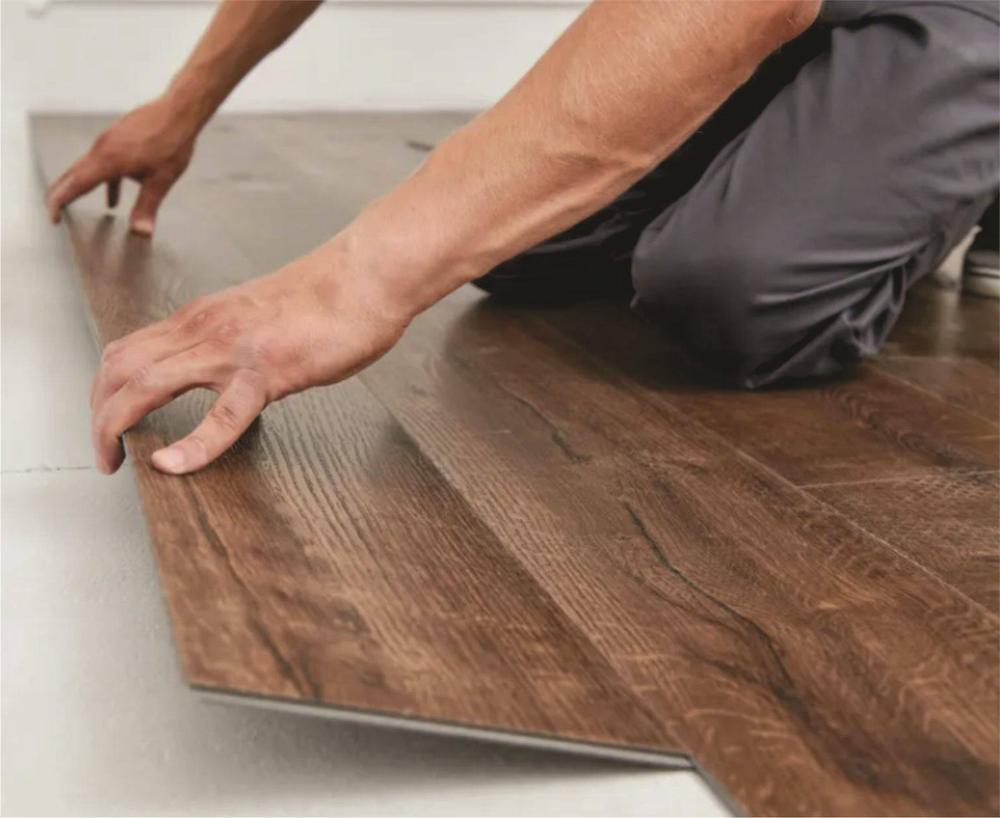
How this vinyl flooring labor calculator works
The calculator starts with square footage and labor pricing, then layers in removal, trim, stairs, and prep.
Read the pricing methodology for the default scope, typical prep allowance, and excluded material, tax, waste, major leveling, moisture mitigation, and repair items.
1. Square footageSet the area where vinyl plank or LVP will be installed.
2. Local laborUse a location to connect the estimate to a nearby market.
3. Scope addersRemoval, trim, stairs, and prep adjust the estimate.
4. Address detailsThe address step continues with property-specific details.
Vinyl flooring labor scope
These are the labor categories this estimate can represent before a final installer quote.
| Labor item | How the calculator treats it |
|---|---|
| Install labor | Square footage multiplied by the local labor range. |
| Removal | Carpet, laminate, tile, or old flooring are reviewed as separate scope. |
| Trim | Baseboards, shoe molding, and quarter round can change the finish work. |
| Stairs | Treads, risers, nosing, and cuts take more time. |
| Prep | Leveling, transitions, moisture, and cleanup affect the surface. |
Vinyl project size examples
Use these examples to organize project size before comparing material and labor.
| Project | Typical size | Note |
|---|---|---|
| Bedroom or office | 250 ft² | Small project with limited cuts and trim. |
| Main living area | 650 ft² | Living, dining, kitchen, or open area with transitions. |
| Whole-home project | 1,500 ft² | Multiple rooms, halls, furniture, and staged planning. |
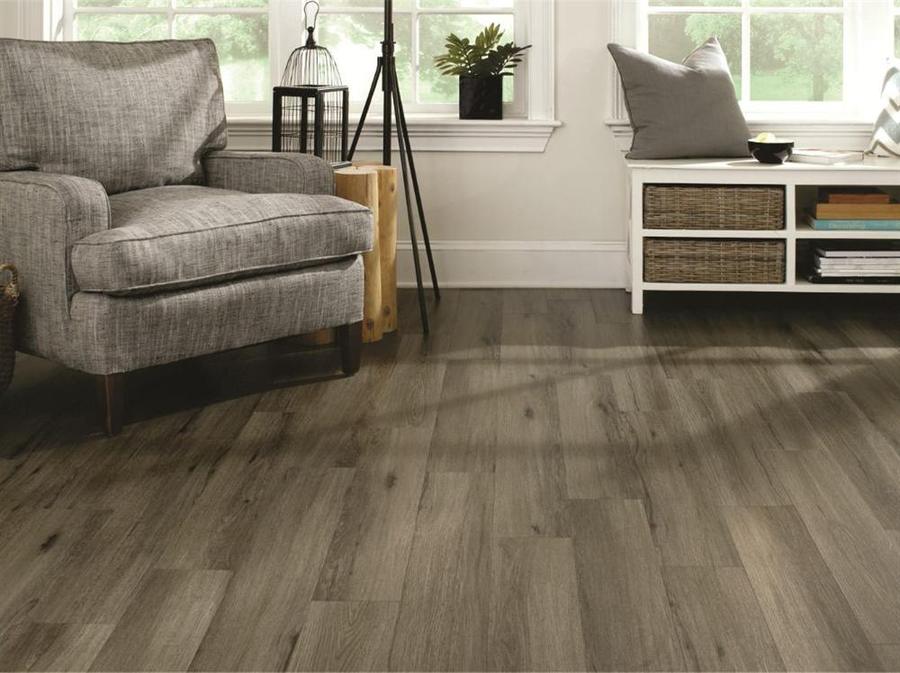
Labor-only vs. all-in vinyl flooring cost
The estimate keeps labor clear first. Product, delivery, waste, and retailer costs belong in a different part of the quote.
Material choice
Wear layer, thickness, attached pad, and retailer pricing change product cost.
Room layout
Closets, hallways, islands, and angled walls add cuts.
Installer confirmation
An installer confirms real conditions before final pricing.
What this estimate does not include
The number is intentionally labor-focused. These items belong in the final quote.
- Vinyl plank material, underlayment, delivery, waste, or retailer fees.
- Furniture moving unless a pro adds it to the scope.
- Major leveling, moisture mitigation, or unexpected repairs.
- HOA, condo, elevator, parking, or access requirements.
- Unusual transitions, pattern layouts, or custom finish work.
- Changes found during a walkthrough or inspection.
Local pricing near Naperville, IL
These pages use market-level pricing so shoppers can compare installation labor in nearby areas.
Aurora, ILCompare local labor and project scope for vinyl flooring projects near Aurora.Bartlett, ILCompare local labor and project scope for vinyl flooring projects near Bartlett.Schaumburg, ILCompare local labor and project scope for vinyl flooring projects near Schaumburg.Elgin, ILCompare local labor and project scope for vinyl flooring projects near Elgin.Mount Prospect, ILCompare local labor and project scope for vinyl flooring projects near Mount Prospect.Arlington Heights, ILCompare local labor and project scope for vinyl flooring projects near Arlington Heights.Palatine, ILCompare local labor and project scope for vinyl flooring projects near Palatine.Chicago, ILCompare local labor and project scope for vinyl flooring projects near Chicago.
Vinyl flooring labor FAQ
What affects vinyl flooring installation cost the most?
Square footage, room count, removal, stairs, trim, transitions, subfloor prep, furniture, access, and local installer availability usually drive the labor range.
Does this include vinyl plank material?
No. This page focuses on installation labor so material, delivery, waste, and retailer pricing can be compared separately.
Why does vinyl flooring installation cost change by room?
Bathrooms, kitchens, closets, hallways, and stairs require more cuts, transitions, appliance handling, or finish detail than open rooms.
When should I ask for a local walkthrough?
Ask for a walkthrough before committing when there is old flooring to remove, uneven subfloor, moisture, stairs, heavy furniture, or multiple transitions.
Do I need a permit for flooring installation in Naperville?
Standard flooring replacement in Naperville, IL usually does not require a permit, but permits can come into play when the project includes structural, electrical, or plumbing work.
Does a flooring contractor need to be licensed to work on my Naperville home?
A state license is required for residential flooring installation projects over $1,000, and contractors must register with the Illinois Department of Financial and Professional Regulation A flooring contractor must register with the City of Naperville. Registration is handled by the Building Division within the Community Development Department.
Is flooring installation labor taxable in Illinois?
Only materials are subject to sales tax for flooring contracts
Are delivery fees taxable in Illinois?
Delivery charges for taxable materials are subject to sales tax
When is the best time to install flooring in Naperville?
Naperville has humid months that reach about 75% humidity, summer highs average about 82F, there are about 6.5 days above 90F each year, so spring and fall are usually the easiest seasons for flooring installation while hotter summer periods need more attention to acclimation, storage, and jobsite conditions.