Vinyl plank
Often favored where moisture, pets, rentals, bathrooms, kitchens, or easy cleanup matter more than the lowest material price.
Compare vinyl vs laminate flooring cost in Fayetteville, NC by looking beyond material price to moisture, subfloor prep, installation labor, transitions, durability, and local housing conditions.
This page compares vinyl vs laminate in Fayetteville, NC using cost, moisture, prep, durability, product specs, and local installation labor.
This page compares the material decision, not just the labor estimate, so homeowners can judge total value.
Often favored where moisture, pets, rentals, bathrooms, kitchens, or easy cleanup matter more than the lowest material price.
Can compete on appearance and price, but moisture exposure, acclimation, and edge swelling risk need closer review.
Labor may be similar for simple floating floors, but stairs, transitions, subfloor prep, and product specs can change the quote.
Use the local cost guide and installation-cost page when you want broader or narrower pricing context.
Humidity, home age, housing type, and room use can change which product is the better value.
In Haymount, many homes built in the mid-20th century feature pier-and-beam foundations, requiring careful subfloor inspection for stability before new flooring installation. The 42 days above 90°F annually in Fayetteville necessitate extended acclimation times for wood and laminate flooring to prevent warping after installation.
Fayetteville has climate conditions where humidity can reach about 76% and the market sees about 41.8 days above 90F each year, so acclimation, storage, and moisture control matter before installation starts.
The median home age in Fayetteville is about 41 years, so older subfloors, transitions, and prep work can have a bigger effect on scope than homeowners expect.
Multifamily housing makes up about 29% of local housing units in Fayetteville, which can affect access, delivery, work-hour limits, and scheduling.
Fayetteville homes average about 41 years old.
Estimated owner-occupied home size in Fayetteville is about 1,747 square feet.
Compare product specs, underlayment, moisture requirements, transitions, stairs, waste, warranty, and labor scope before choosing.
Compare wear layer, thickness, attached pad, waterproof claims, warranty, and box coverage.
Kitchens, bathrooms, slabs, pets, rentals, and humid rooms can make vinyl more practical.
Include removal, prep, transitions, trim, stairs, underlayment, waste, and delivery before calling one cheaper.
Projects move up or down based on removal, subfloor prep, trim work, stairs, and the layout of the home.
Carpet, tile, laminate, adhesive, and disposal can change the scope.
Flatness, moisture, and subfloor stability can change the work.
Baseboards, molding, transitions, and stairs explain many quote differences.
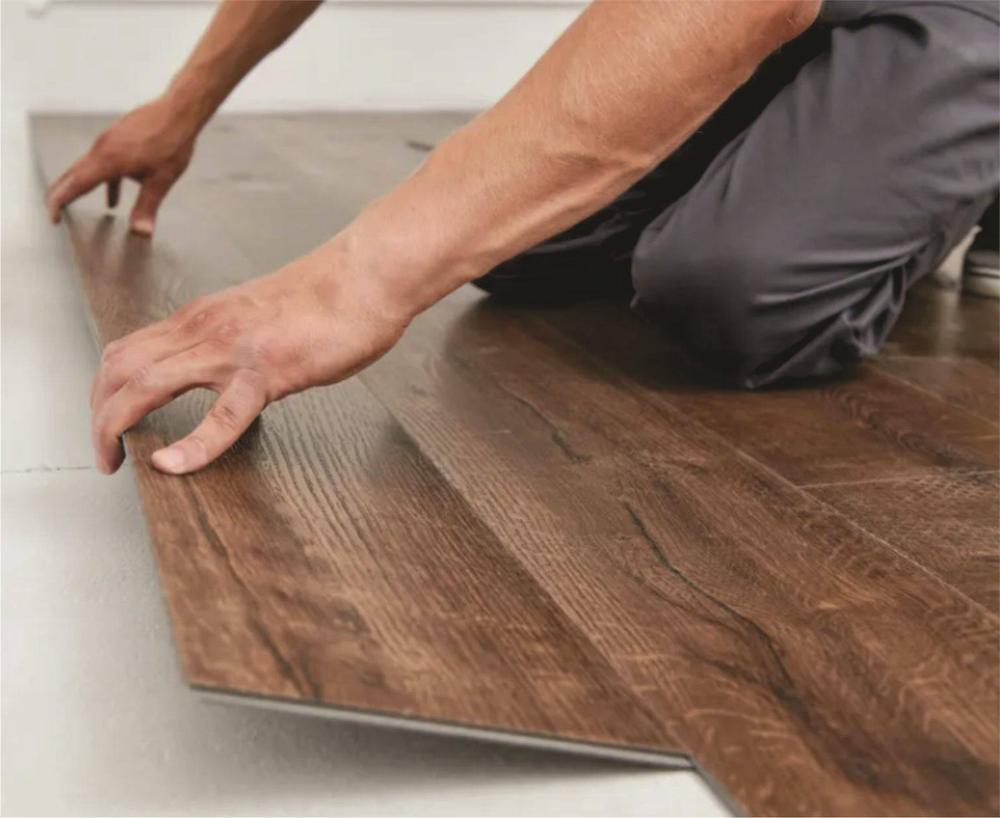
The calculator starts with square footage and labor pricing, then layers in removal, trim, stairs, and prep.
Read the pricing methodology for the default scope, typical prep allowance, and excluded material, tax, waste, major leveling, moisture mitigation, and repair items.
These are the labor categories this estimate can represent before a final installer quote.
| Labor item | How the calculator treats it |
|---|---|
| Install labor | Square footage multiplied by the local labor range. |
| Removal | Carpet, laminate, tile, or old flooring are reviewed as separate scope. |
| Trim | Baseboards, shoe molding, and quarter round can change the finish work. |
| Stairs | Treads, risers, nosing, and cuts take more time. |
| Prep | Leveling, transitions, moisture, and cleanup affect the surface. |
Use these examples to organize project size before comparing material and labor.
| Project | Typical size | Note |
|---|---|---|
| Bedroom or office | 250 ft² | Small project with limited cuts and trim. |
| Main living area | 650 ft² | Living, dining, kitchen, or open area with transitions. |
| Whole-home project | 1,500 ft² | Multiple rooms, halls, furniture, and staged planning. |
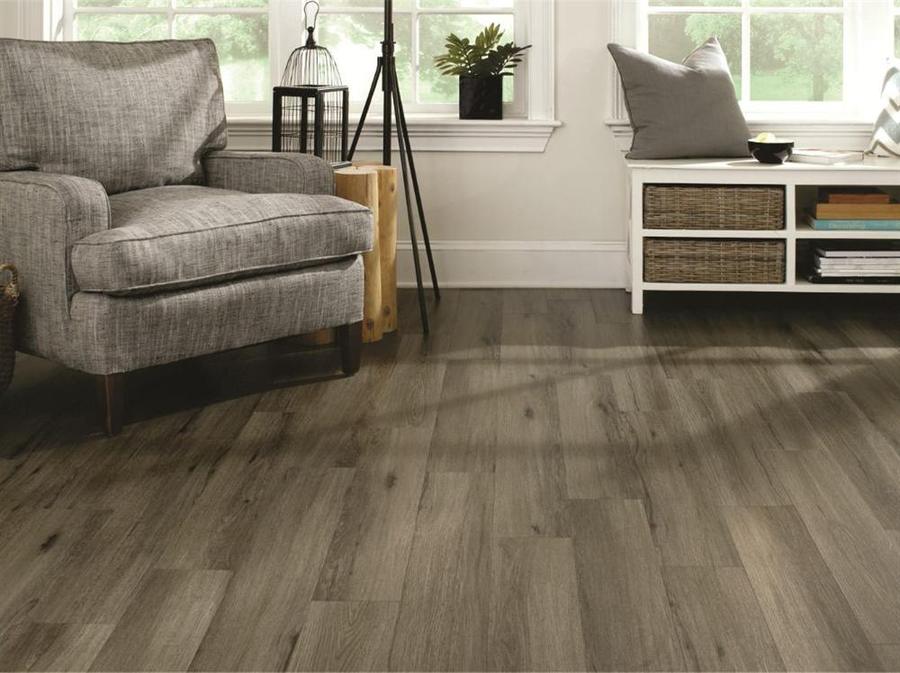
The estimate keeps labor clear first. Product, delivery, waste, and retailer costs belong in a different part of the quote.
Wear layer, thickness, attached pad, and retailer pricing change product cost.
Closets, hallways, islands, and angled walls add cuts.
An installer confirms real conditions before final pricing.
The number is intentionally labor-focused. These items belong in the final quote.
These pages use market-level pricing so shoppers can compare installation labor in nearby areas.
Labor can be similar, but product type, room layout, trim, prep, and removal can change either estimate.
Vinyl is usually chosen more often for moisture-prone areas, but the full installation still needs moisture planning.
Both need a flat, clean, stable surface, though product requirements can vary.
Not reliably. Include removal, transitions, trim, underlayment needs, and room complexity.
Standard flooring replacement in Fayetteville, NC usually does not require a permit, but permits can come into play when the project includes structural, electrical, or plumbing work.
A North Carolina general contractor license is required when the total project value is $40,000 or more; local permits and registrations may also apply. A flooring contractor is not required to obtain a city business registration or local contractor registration to operate in Fayetteville, North Carolina. The department is not specified.
NCDOR lists complete or partial flooring replacement and floor refinishing as taxable repair, maintenance, and installation services; qualifying capital improvements follow separate real-property-contract rules.
Delivery or transportation included in the sales price of a taxable flooring transaction is treated as taxable.
Fayetteville has humid months that reach about 76% humidity, summer highs average about 88F, there are about 41.8 days above 90F each year, so spring and fall are usually the easiest seasons for flooring installation while hotter summer periods need more attention to acclimation, storage, and jobsite conditions.