Piso vinilico
Suele favorecerse donde humedad, mascotas, rentas, banos, cocinas o limpieza facil importan mas que el precio mas bajo.
Compare costo de piso vinilico vs laminado en Round Rock, TX mirando mas alla del precio del material: humedad, preparacion del subsuelo, mano de obra, transiciones, durabilidad y condiciones locales de vivienda.
Esta pagina compara vinilico vs laminado en Round Rock, TX usando costo, humedad, preparacion, durabilidad, especificaciones de producto y mano de obra local.
Esta pagina compara la decision de material, no solo el estimado de mano de obra, para juzgar el valor total.
Suele favorecerse donde humedad, mascotas, rentas, banos, cocinas o limpieza facil importan mas que el precio mas bajo.
Puede competir en apariencia y precio, pero humedad, aclimatacion y riesgo de bordes hinchados requieren mas revision.
La mano de obra puede ser similar en pisos flotantes simples, pero escaleras, transiciones, subsuelo y especificaciones cambian la cotizacion.
Use la guia local y la pagina de instalacion cuando quiera contexto mas amplio o mas enfocado.
Humedad, edad de vivienda, tipo de casa y uso de la habitacion pueden cambiar que producto ofrece mejor valor.
Las casas en el casco antiguo de Round Rock a menudo presentan cimientos de losa de concreto más antiguos, lo que requiere una prueba de humedad exhaustiva antes de la instalación de nuevos pisos. Los 47.6 pulgadas de lluvia anual en Round Rock hacen que la prueba de humedad del subsuelo sea esencial para todos los proyectos de pisos.
Round Rock tiene condiciones climáticas donde la humedad puede alcanzar aproximadamente el 75% y el mercado experimenta alrededor de 87.9 días por encima de los 90°F cada año, por lo que la aclimatación, el almacenamiento y el control de humedad son importantes antes de que comience la instalación.
La edad mediana de las viviendas en Round Rock es de aproximadamente 23 años, por lo que los subsuelos antiguos, las transiciones y el trabajo de preparación pueden tener un mayor impacto en el alcance de lo que los propietarios esperan.
Las viviendas multifamiliares constituyen aproximadamente el 29.6% de las unidades de vivienda locales en Round Rock, lo que puede afectar el acceso, la entrega, los límites de horas de trabajo y la programación.
Las viviendas en Round Rock tienen un promedio de 23 años de antigüedad.
El tamaño estimado de las viviendas ocupadas por propietarios en Round Rock es de aproximadamente 1,802 pies cuadrados.
Compare especificaciones, base, requisitos de humedad, transiciones, escaleras, desperdicio, garantia y alcance de mano de obra antes de elegir.
Compare capa de uso, grosor, base adjunta, reclamos impermeables, garantia y cobertura por caja.
Cocinas, banos, losas, mascotas, rentas y cuartos humedos pueden hacer mas practico el vinilico.
Incluya remocion, preparacion, transiciones, molduras, escaleras, base, desperdicio y entrega antes de llamar uno mas barato.
Los proyectos suben o bajan por remoción, preparación del subsuelo, molduras, escaleras y diseño de la casa.
Alfombra, azulejo, laminado, adhesivo y desecho cambian el alcance.
Planitud, humedad y estabilidad del subsuelo pueden cambiar el trabajo.
Zócalos, molduras, transiciones y escaleras explican muchas diferencias.
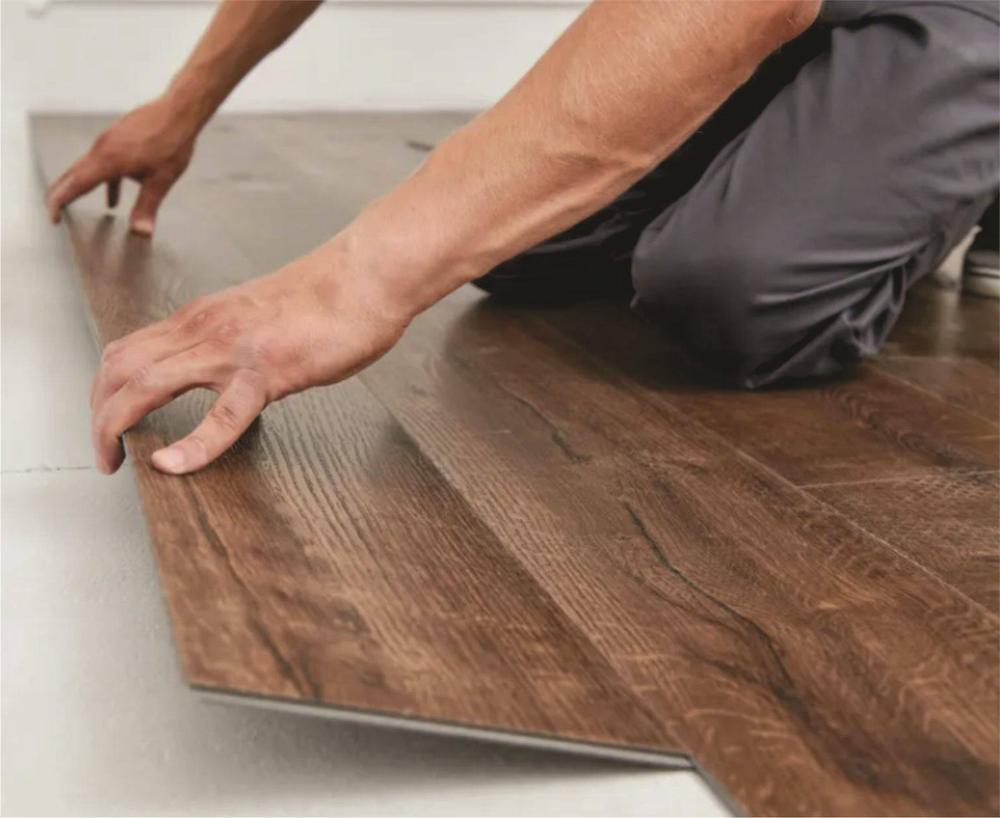
La calculadora empieza con pies cuadrados y precios de mano de obra, luego agrega remoción, molduras, escaleras y preparación.
Lea la metodologia de precios para el alcance por defecto, la reserva tipica de preparacion y los elementos excluidos como material, impuestos, desperdicio, nivelacion mayor, humedad y reparaciones.
Estas son las categorías de mano de obra que el estimado puede representar antes de una cotización final.
| Elemento | Cómo se trata |
|---|---|
| Instalación | Pies cuadrados multiplicados por el rango de mano de obra local. |
| Remoción | Alfombra, laminado, azulejo o piso viejo se revisan como alcance separado. |
| Molduras | Zócalos, zapata y cuarto bocel pueden cambiar el acabado. |
| Escaleras | Huellas, contrahuellas, nariz de escalón y cortes toman más tiempo. |
| Preparación | Nivelación, transiciones, humedad y limpieza afectan la superficie. |
Use estos ejemplos para ordenar el tamaño antes de comparar material y mano de obra.
| Proyecto | Tamaño típico | Nota |
|---|---|---|
| Dormitorio u oficina | 250 ft² | Proyecto pequeño con cortes y molduras limitadas. |
| Área principal | 650 ft² | Sala, comedor, cocina o área abierta con transiciones. |
| Proyecto de toda la casa | 1,500 ft² | Varias habitaciones, pasillos, muebles y planificación por etapas. |
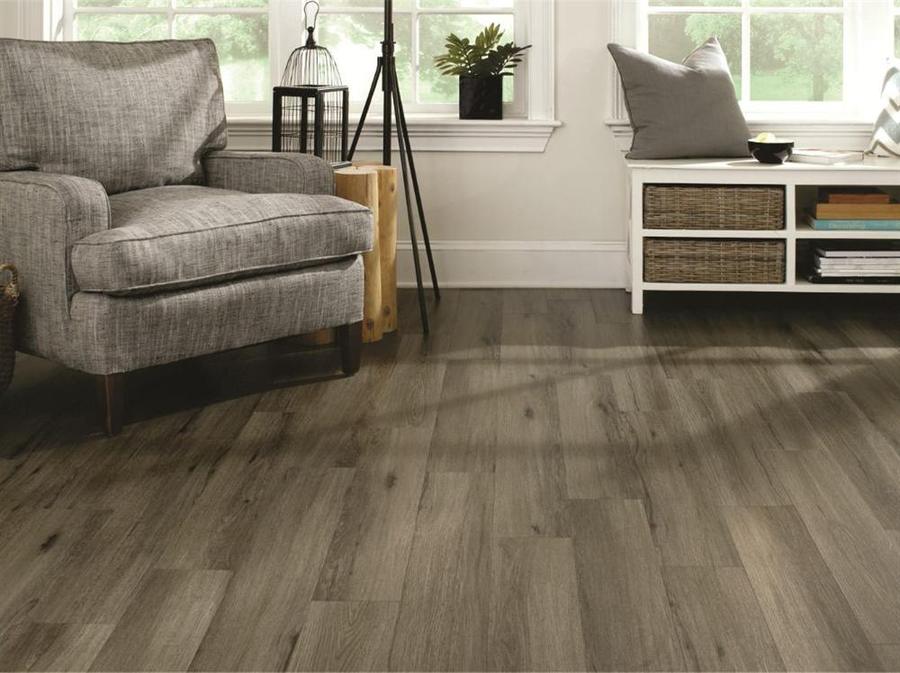
El estimado mantiene clara la mano de obra primero. Producto, entrega, desperdicio y tienda pertenecen a otra parte de la cotización.
Capa de uso, grosor, base adjunta y tienda cambian el costo del producto.
Clósets, pasillos, islas y paredes en ángulo agregan cortes.
Un instalador confirma condiciones reales antes de cerrar el precio.
El número es intencionalmente de mano de obra. Estos elementos pertenecen a la cotización final.
Estas páginas usan precios por mercado para comparar mano de obra de instalación en áreas cercanas.
Labor can be similar, but product type, room layout, trim, prep, and removal can change either estimate.
Vinyl is usually chosen more often for moisture-prone areas, but the full installation still needs moisture planning.
Both need a flat, clean, stable surface, though product requirements can vary.
Not reliably. Include removal, transitions, trim, underlayment needs, and room complexity.
El reemplazo de pisos estándar en Round Rock, TX generalmente no requiere un permiso, pero los permisos pueden entrar en juego cuando el proyecto incluye trabajo estructural, eléctrico o de plomería.
Texas no requiere una licencia de contratista a nivel estatal para la instalación de pisos. Un contratista de pisos no requiere obtener un registro de negocio de la ciudad o un registro de contratista local para operar en Round Rock, Texas.
La mano de obra separadamente declarada no es gravable. Los materiales de pisos vendidos son gravables.
La entrega local es gravable.
Round Rock tiene meses húmedos que alcanzan alrededor del 75% de humedad, los veraños promedian alrededor de 93F, hay alrededor de 87,9 días por encima de 90F cada año, por lo que la primavera y el otoño suelen ser las estaciones más fáciles para la instalación de pisos, mientras que los períodos de verano más calurosos necesitan más atención a la aclimatación, almacenamiento y condiciones del sitio de trabajo.